
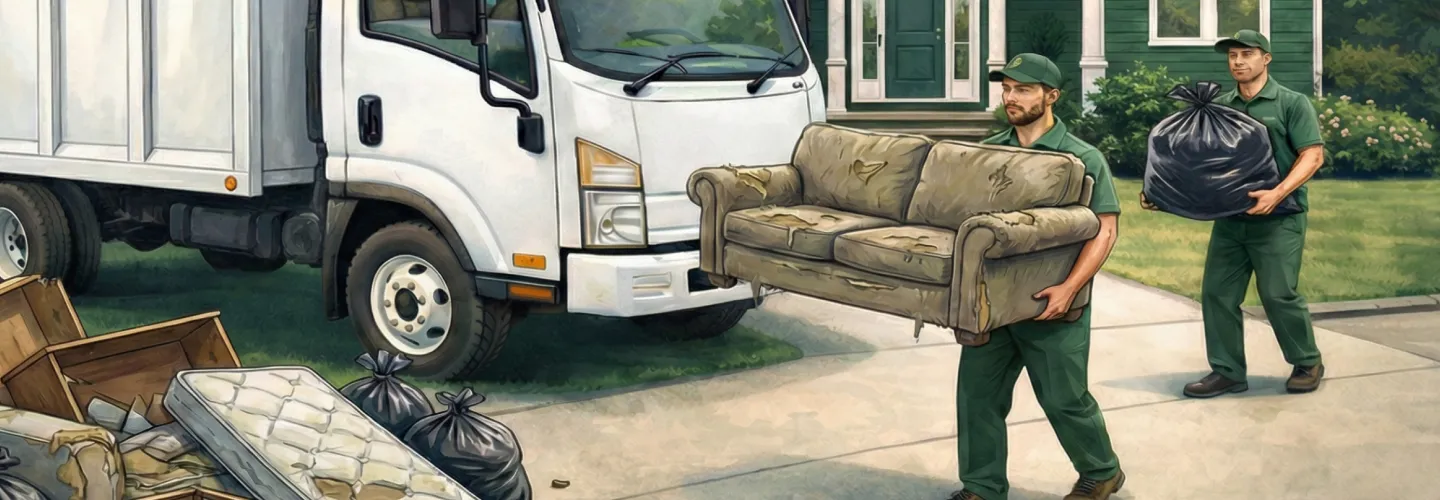
Abington Bulk Trash Pickup Services
Choose our Bulk Trash Pickup for reliable, hassle-free service that keeps your property clean and clutter-free—enjoy peace of mind knowing your large items are handled quickly, safely, and responsibly.
Get a Free QuoteOur Abington Junk Removal Services
Bulk Trash Pickup in Abington, MA – Local Service Guide
Bulk trash pickup in Abington, MA is essential for residents and businesses managing large or unusual waste. In neighborhoods like North Abington and Island Grove, residents often schedule pickups during spring cleanouts, after home renovations, or when replacing large items such as mattresses, appliances, or hot tubs. Many opt to donate or recycle usable items, while others require proper disposal for bulkier or hazardous materials. For residential spaces—garages, basements, attics, and yards—seasonal storms and yard cycles drive the need for timely removal, especially in areas prone to flooding or with heavy tree coverage. Commercial clients in Abington’s business districts, such as along Washington Street, face unique demands: restaurants and offices require discreet, scheduled pickups to minimize disruption, while construction and property management sectors handle higher volumes and specialized debris. Specialty services, including dumpster rentals and estate or foreclosure cleanouts, demand careful planning and coordination, particularly for larger properties or sensitive situations. For all categories, understanding local guidelines is crucial—review Abington’s official resources for up-to-date rules and schedules.
Benefits of Bulk Trash Pickup in Abington
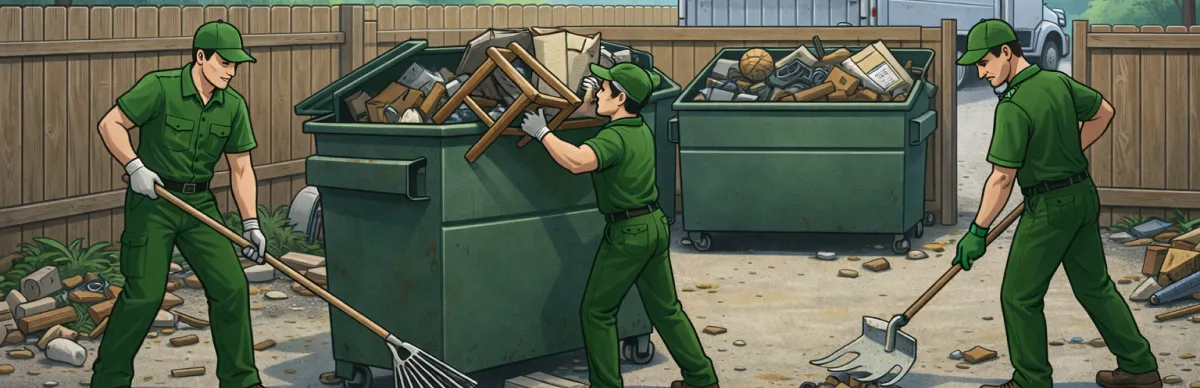
Convenient Scheduling Options
Reliable On-Time Service
Eco-Friendly Disposal Methods
Affordable Bulk Pickup Rates
Experienced Local Team
Safe and Efficient Removal
Coordinating Bulk Trash Pickup with Abington’s Department of Public Works: Schedules, Fees, and Procedures
Bulk trash pickup in Abington is managed by the Department of Public Works (DPW), which provides scheduled curbside collection for oversized items such as furniture, appliances, and mattresses. Residents must call the DPW at least 48 hours in advance to arrange a pickup, as unscheduled items left curbside may result in code violations. Collection occurs on the first Monday of each month, with a maximum of two cubic yards or 200 pounds per household per pickup. Items must be placed curbside by 6:00 AM on the scheduled day, and all materials should be free of plastic bags and separated from regular household waste. Fees for bulk item disposal are assessed based on volume, typically $35 per cubic yard with a $10 minimum charge. For self-haul options, the Abington Transfer Station is open Monday through Saturday, 7:00 AM to 5:00 PM, and requires a valid resident ID for access.
- Schedule pickups by calling DPW 48 hours in advance
- Place items curbside by 6:00 AM on collection day
- Maximum 2 cubic yards or 200 pounds per pickup
- Fees: $35 per cubic yard, $10 minimum
- Transfer Station: Mon-Sat, 7:00 AM–5:00 PM, resident ID required
Department of Public Works
500 Gliniewicz Way, Abington, MA 02351
Phone: (781) 982-2122
Official Website: Department of Public Works
Understanding Abington’s Bulk Trash Disposal Regulations and Prohibited Materials
Abington enforces strict regulations on what can and cannot be disposed of through bulk trash pickup, in accordance with both local ordinances and Massachusetts state landfill bans. Prohibited items include electronics (such as TVs and computers), hazardous waste (paints, chemicals, batteries), tires, and appliances containing refrigerants unless properly certified for removal. Mattresses and box springs must be scheduled separately for recycling, and construction debris is not accepted in regular bulk pickup. Violations may result in fines ranging from $50 to $500 per incident. Residents are encouraged to consult the Massachusetts Department of Environmental Protection for a full list of banned materials and recycling options.
- Electronics and e-waste are banned from landfill disposal
- Hazardous waste must be taken to designated collection events
- Tires and large appliances require special handling
- Mattresses require separate recycling arrangements
- Construction debris is not accepted in bulk pickup
Massachusetts Department of Environmental Protection
One Winter Street, Boston, MA 02108
Phone: (617) 292-5500
Official Website: Massachusetts Department of Environmental Protection
Ensuring Environmental Compliance: Recycling Mandates and Safe Material Handling in Abington
Abington’s bulk trash program is designed to support environmental stewardship by enforcing recycling mandates and safe handling of regulated materials. Residents must separate recyclable items, such as metal appliances and mattresses, from general bulk waste. Electronics must be recycled through approved e-waste programs, and hazardous materials are accepted only at designated Household Hazardous Waste events, typically held twice annually. The DPW provides information on local recycling drop-off locations and schedules. Proper preparation of items—such as removing doors from refrigerators and securing loose parts—ensures safe collection and reduces environmental risks. Failure to comply with recycling mandates may result in refusal of service or additional fees.
- Separate recyclables from bulk trash
- Use approved e-waste recycling programs for electronics
- Attend Household Hazardous Waste events for paints, chemicals, and batteries
- Prepare appliances by removing doors and securing parts
- Consult DPW for recycling drop-off locations and event schedules
Department of Health
500 Gliniewicz Way, Abington, MA 02351
Phone: (781) 982-2119
Official Website: Department of Health
Legal Requirements for Bulk Trash Pickup: Permits, Code Enforcement, and Building Access in Abington
Certain bulk trash pickups in Abington require additional permits or coordination with municipal departments, especially for large-scale cleanouts, renovation debris, or items placed in public rights-of-way. Residents and contractors must obtain right-of-way permits from the DPW for placing items or containers on public streets, with fees typically ranging from $50 to $150 depending on duration and location. Building permits may be required for demolition or renovation debris, and all work must comply with local code enforcement standards. Historic district properties may have additional restrictions, and Homeowners Associations (HOAs) may require advance approval for bulk disposal activities. Failure to secure necessary permits can result in fines or removal delays.
- Obtain right-of-way permits for street placement of bulk items
- Secure building permits for renovation or demolition debris
- Coordinate with code enforcement for compliance
- Check for additional restrictions in historic districts or HOAs
- Permit fees: $50–$150, depending on scope and duration
Building Department
500 Gliniewicz Way, Abington, MA 02351
Phone: (781) 982-2100
Official Website: Building Department
What Neighborhoods Do We Serve Throughout Abington, MA?
- North Abington: Predominantly single-family homes with wide driveways allow for easy curbside placement of bulk items. Residents should ensure items do not block sidewalks or fire hydrants.
- Island Grove: Historic homes and narrow streets may require advance scheduling and smaller collection vehicles. Permit approval may be needed for street placement in certain areas.
- Center Abington: Mixed-use buildings and multi-family residences often require coordination with property managers for access and scheduling. Parking restrictions may apply during collection windows.
- South Abington: Newer developments with HOA oversight may require written approval before bulk trash placement. Driveway protection is recommended for heavy items.
- Pond Street Corridor: Commercial and residential mix; businesses must comply with commercial disposal regulations and may need additional permits for large-scale cleanouts.
- Chestnut Street Area: Older homes with limited curb space may necessitate staggered pickups or special arrangements for oversized items.
- Railroad District: Proximity to transit and limited parking require careful planning for bulk item placement and adherence to posted collection schedules.